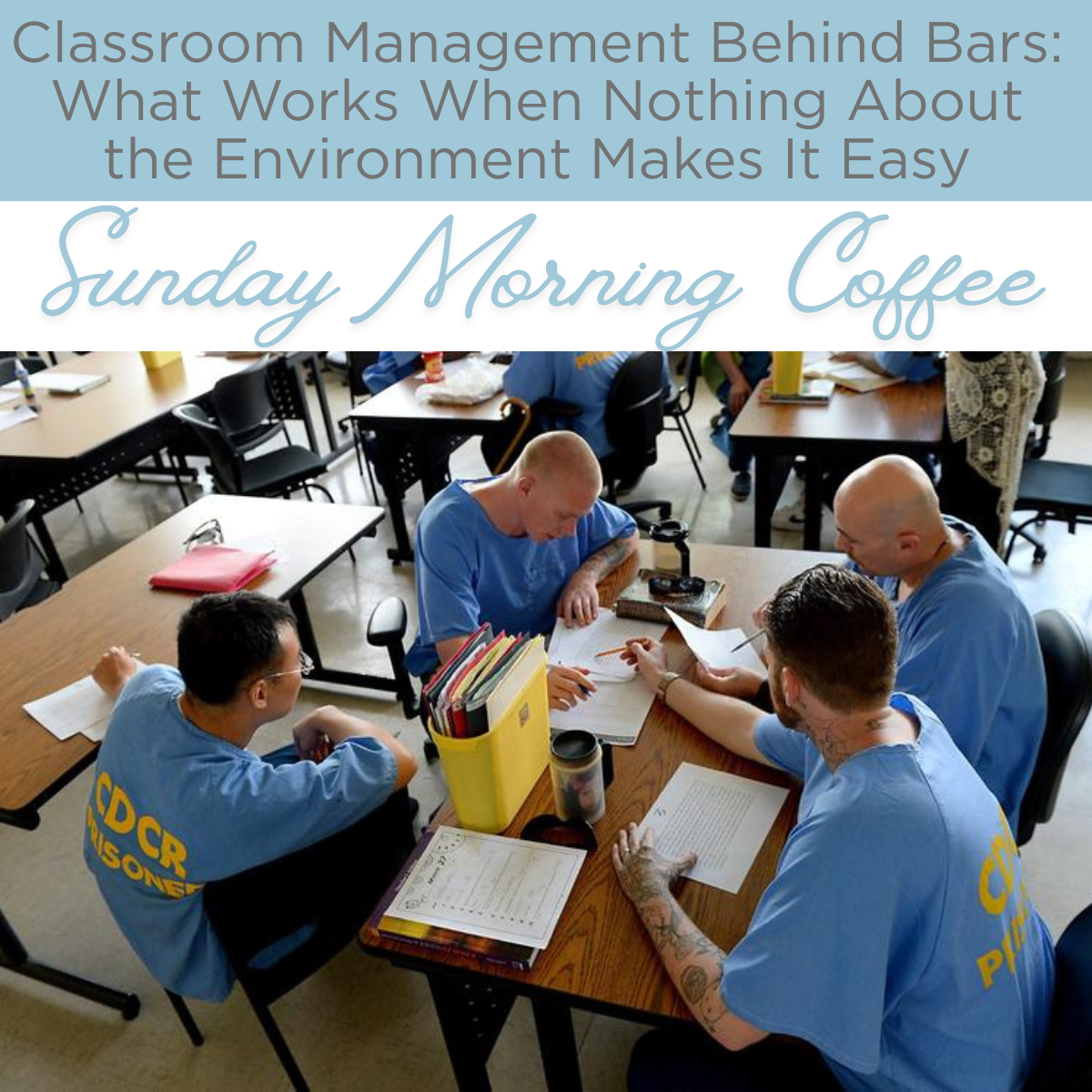
The Quiet Heroes of Reentry
"Every successful reentry story has people behind it…mentors, educators, case managers, workforce specialists, and nonprofit staff who quietly help individuals rebuild their lives. This week's Sunday Morning Coffee explores why reentry nonprofits are some of the most important, and often most overlooked, contributors to safer, stronger communities."
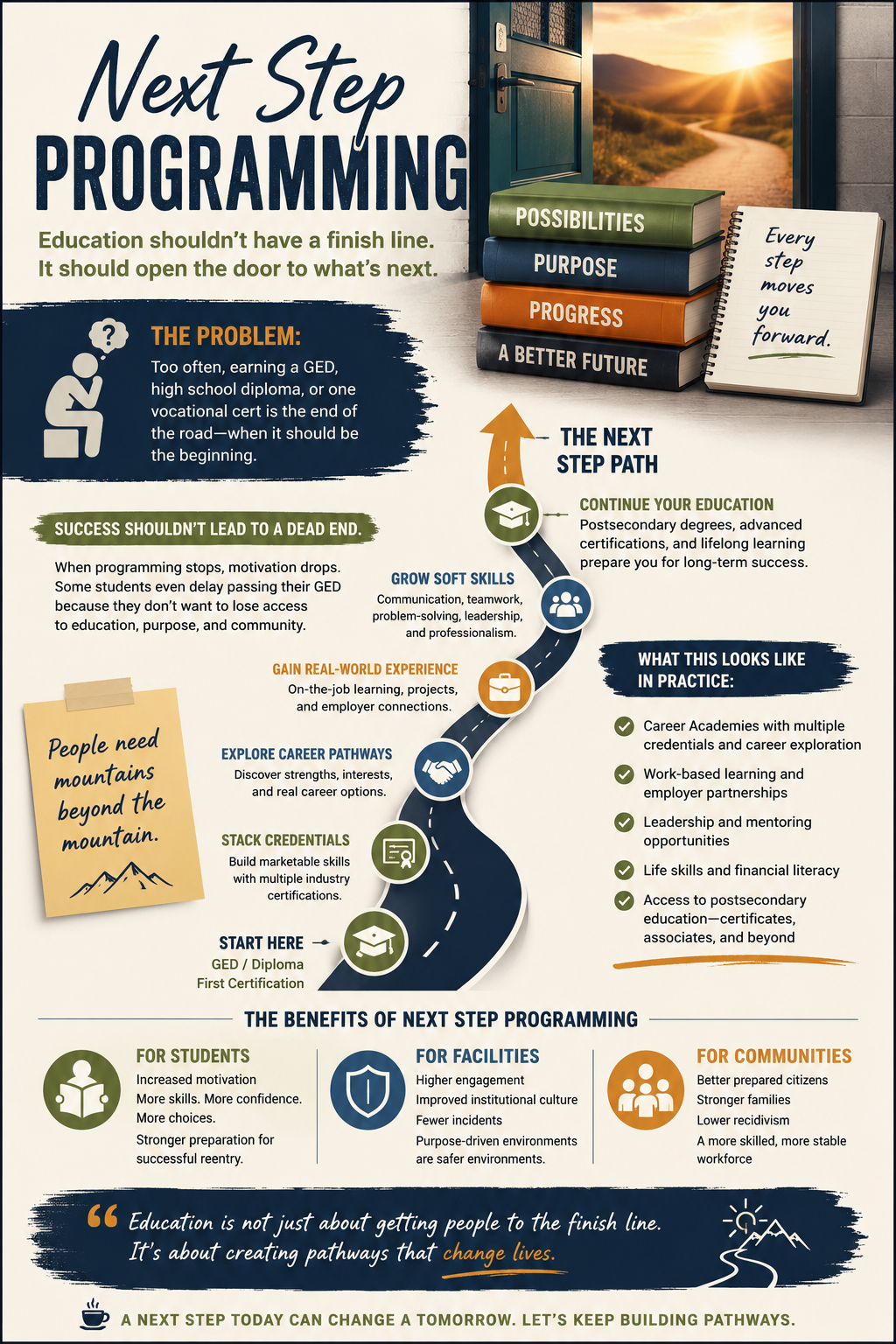
Next Step Programming
The goal of correctional education isn’t helping a student to get a GED. The mission is helping people build lives that are larger than their incarceration.
Executive Function Lessons Every Workforce Program Should Teach
The issue isn't always that people don't know how to do the job. It's that many have never been explicitly taught the executive function skills required to keep the job.

Tiny Teaching Moves that Transform Behavior
Correctional educators often underestimate the power of their smallest moves.

“Unredeemable?”
If we believe people can change, we build systems that make change possible. If we don’t, we build systems that prove ourselves right.

Because sometimes it takes pain to make us pay attention…
Because sometimes it takes pain to make us pay attention…

Financial Literacy That Sticks
We use the phrase “financial stability” often, but for someone returning home, it has very concrete meaning.
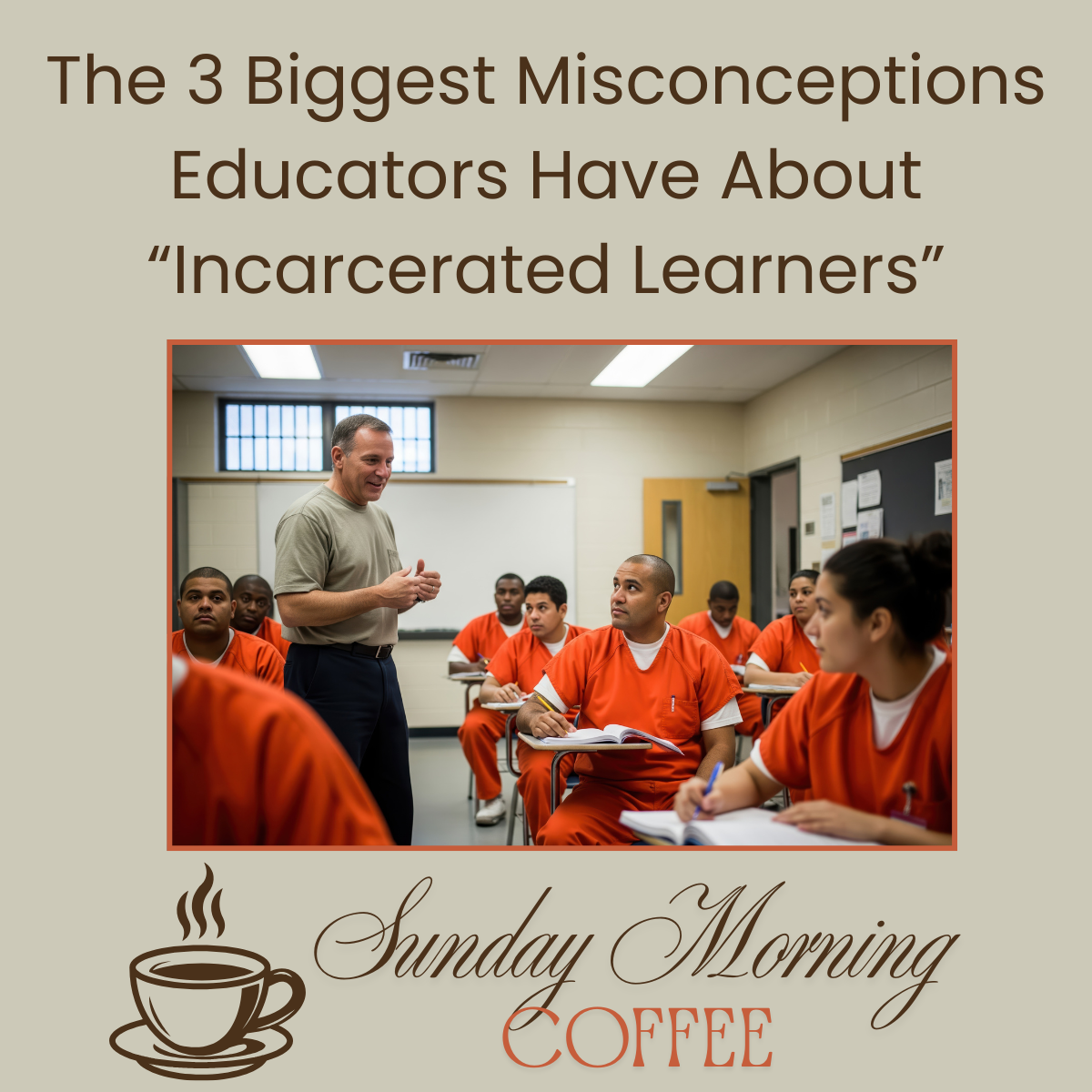
The 3 Biggest Misconceptions Educators Have About Incarcerated Learners
Misconceptions are powerful. They shape expectations before we ever meet the people we’re teaching, but correctional classrooms have a way of rewriting those expectations, if we let them.

What Correctional Leaders Get Wrong About Motivation (and How to Fix It)
Motivation is almost never the starting point. It’s the outcome.

Before You Build a Program, Answer These Three Questions
Before You Build a Program, Answer These Three Questions
Harsh Sentencing, Soft Outcomes
Harsh sentencing for youth does not reliably produce the outcomes people expect. In many cases, it produces the opposite.

The Cost of Doing Nothing
Why should we spend money educating people in prison when there are already so many demands on the public budget?
Why Reentry Programs Should Teach Circadian Rhythms
Our bodies operate on a circadian rhythm, a natural 24-hour cycle that regulates sleep, energy, alertness, and focus. Learning to understand that rhythm, and to work with it instead of against it, is one of the most underrated executive function skills there is.

The Sunday Blues in Helping Professions: Why They Hit Us Harder
Most people feel the Sunday Blues from time to time. But if you work in a helping profession, they tend to hit a little harder.

Making the Invisible Visible
Durable skills justice-impacted people already have but don’t know how to name.

Grit Isn’t a Gift
The Olympic Games remind us of something worth remembering long after the closing ceremony: Grit is built, not bestowed.
What I Wish Policymakers Understood About Teaching in Prison
Education in prison works, not because it’s easy, but because it’s human. When policymakers understand that, policy becomes a lever for possibility instead of a barrier to it.

Why I Still Believe in People: Lessons From 40 Years in Education
Forty years is a long time to stay hopeful. ☕ Why I Still Believe in People: Lessons From 40 Years in Education

Teaching Executive Function in Places That Undermine It
Teaching executive function in correctional settings is hard, but so necessary!